

About 30 years ago, shortly after leaving South Africa for Australasia, I wrote a poem titled Homelands. In it, I explored my simultaneous sense of belonging to Africa and estrangement from it because of my Jewishness. I reflected, too, on how deeply I had come to feel part of this southern continent while remaining strongly connected to Australia and to the land of my ancestors, Israel. Here is an excerpt:
But it burns, Africa burns:
this is the flame of some
sharp Karoo night,
this is the ember of a
star-sated sky.
This coal bears my imprint,
yet it is not mine,
for I am the bastard son
of this cunning continent.
I carry my father’s burden
(still heavy with the terror of a
cold Lithuanian night).
And, even now,
as I tread with love and unease
in this land of long dreaming,
sometimes I catch a glimpse of Jacob
wrestling his starry dark dreams
into his homeland.
I thought of this poem when I returned to South Africa this year to visit my ageing mother and family. Its themes of connection and identity, belonging, home, and the fragile uncertainty of being resonated with particular force this time.
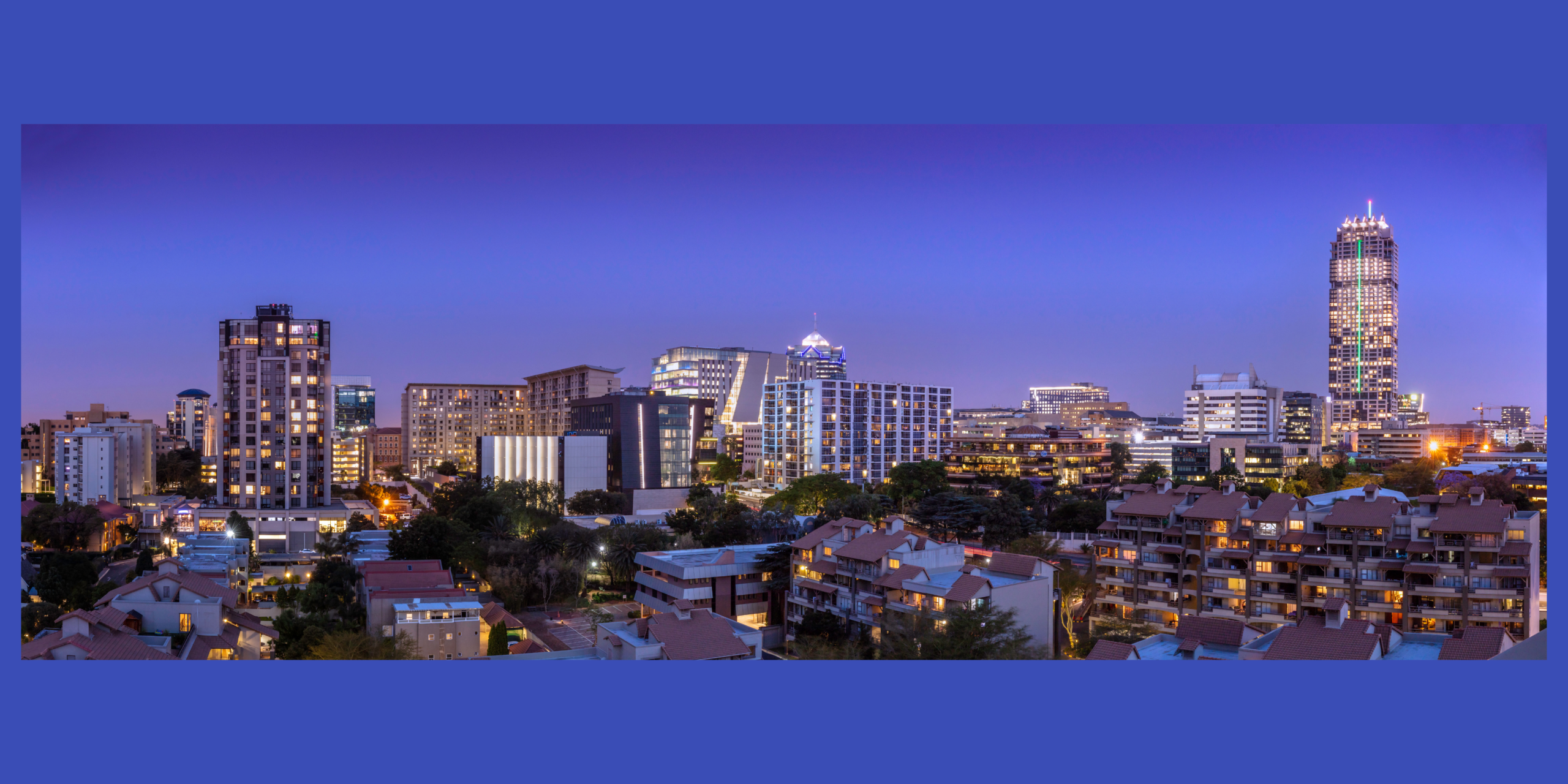
South Africa is vastly different from the country in which I grew up. The dystopian order of apartheid has given way to a dysfunctional government marked by endemic corruption, crime, and violence. Potholes scar suburban streets, power outages are routine and, in Johannesburg at least, the water system urgently needs repair. During the week I was there, water was cut off across large parts of the city. High unemployment and limited welfare are evident in the severe poverty of many suburbs, and in the vagrancy and rubbish lining the streets.
The Jewish community, too, has changed – shrinking dramatically and changing in character. It is both more frum and more fearful. The epicentre of Johannesburg’s Jewish life is Glenhazel, and within its boundaries – patrolled by a highly efficient private armed force (GAP), a vigilant community security group (CSO), private guards, high walls, and electrified fences – you can enjoy the beautiful Highveld winter, its azure skies, and a wide choice of excellent kosher restaurants. You can also access an astonishing range of shuls and shtieblach, learning centres, and schools. On Shabbat, the streets and shuls I attended were filled with energy and a strong sense of community and camaraderie. Despite its reduced numbers, it remains a highly organised community that serves its members with care, courage, and commitment. This is manifest not only in the burgeoning religious community led by the Chief Rabbi, but also in the leadership of the SA Jewish Board of Deputies and the vitality of Limmud South Africa.
The caring support is most evident in the work of the Johannesburg Chevrah Kadisha, founded in 1888 during the gold rush, and still the oldest and largest Jewish welfare organisation on the African continent. Like Jewish Care in Australia, it provides a wide range of essential services and support, including financial assistance to more than a thousand families in need. It offers school subsidies, student funding, loans, protected employment opportunities, residential accommodation, aged care, health support, counselling, and disability services. Its ethos – “no Jew is left behind” – is especially admirable given the limited government assistance and the pervasive insecurity of life in South Africa.
The generous communal spirit of this still largely Litvak community, with its strong Chabad presence, is also reflected in the many chesed initiatives that support not only struggling members of the Jewish community, but also the wider society around them. Again and again, I encountered examples of what in Zulu is called ubuntu.
The philosophy of ubuntu centres on interconnectedness, compassion, and communal harmony. It is captured in the phrase “people become people through other people,” or, as Nelson Mandela famously put it, the profound recognition that “I am because we are”.
I saw this at the home of a friend who opens her house each week to a large group of elderly Jewish women, offering them an engaging speaker and a splendid tea. I read about it in the SA Jewish Report, and in the work of Sue Krawitz, who established a baby saver box where mothers can safely place their babies as an alternative to unsafe abandonment – a vital initiative in a country facing a critical shortage of shelters for vulnerable mothers. I also witnessed it in the remarkable care shown by the Black staff at the Jewish aged home, Sandringham Gardens. These predominantly Christian women, with hearts wider than the Limpopo River, largely belong to a church called the Church of Zion, headquartered in a place called Moriah!
They are also deeply supportive of Israel and of South Africa’s Zionist community, as are an extraordinary number of tribes across Africa. Despite the toxic hostility of the South African government towards Israel, many South Africans who are aware of the small Jewish community in their midst remain broadly positive in their attitudes towards Jews and in their perception of Israel. This was evident in a study by the University of Cape Town’s Kaplan Centre for Jewish Studies and Research several years ago. Anecdotal evidence and personal conversations suggest that this is still the case, despite October 7 and the demonisation of Israel since then.
Of course, the pandemic of antisemitism is present in South Africa too, especially in Cape Town. This was evident during the Cape Town Marathon, where British fitness coach Yoel Levi – who runs marathons dressed as Batman in memory of the murdered Israeli Bibas children – was harassed and threatened with antisemitic abuse both online and along the route. Even so, the South African Jewish community feels safer than we do in Australia and has not been subjected to the same barrage of Palestinian protest and anti-Jewish rhetoric that we have experienced.
On a personal level, there is nothing quite like returning to a childhood home, reconnecting with family and old friends, and being welcomed into the cocoon of a warm and generous community. We remain tethered to the umbilical cord of childhood, no matter where we wander in the world. The connection we share as Jews – in our love, passion, and anxious concern for Israel – also binds us in our personal journeys. Africa still lives within me, alongside the fire I feel in this dreamtime country of Australia, even in this age of my people’s existential loneliness.


I did enjoy reading about your visit home to South Africa to see your Mother. Your final paragraph says it all!