

I’ve long been a fan of Homer’s Odyssey. I reread it during Covid, and my son Yoni introduced me to one of the leading Jewish scholars on Homer, Daniel Mendelsohn, who travelled the journey of Ulysses together with his own father. So I was very excited to see the movie and Christopher Nolan’s marvellous, and sometimes audacious, take on this timeless tale.
It resonates because of its compelling universal themes and its messages for today. It reminds us just how much we still have to learn from ancient texts like this and our own Bible / Torah which have been the fulcrum of Western culture.
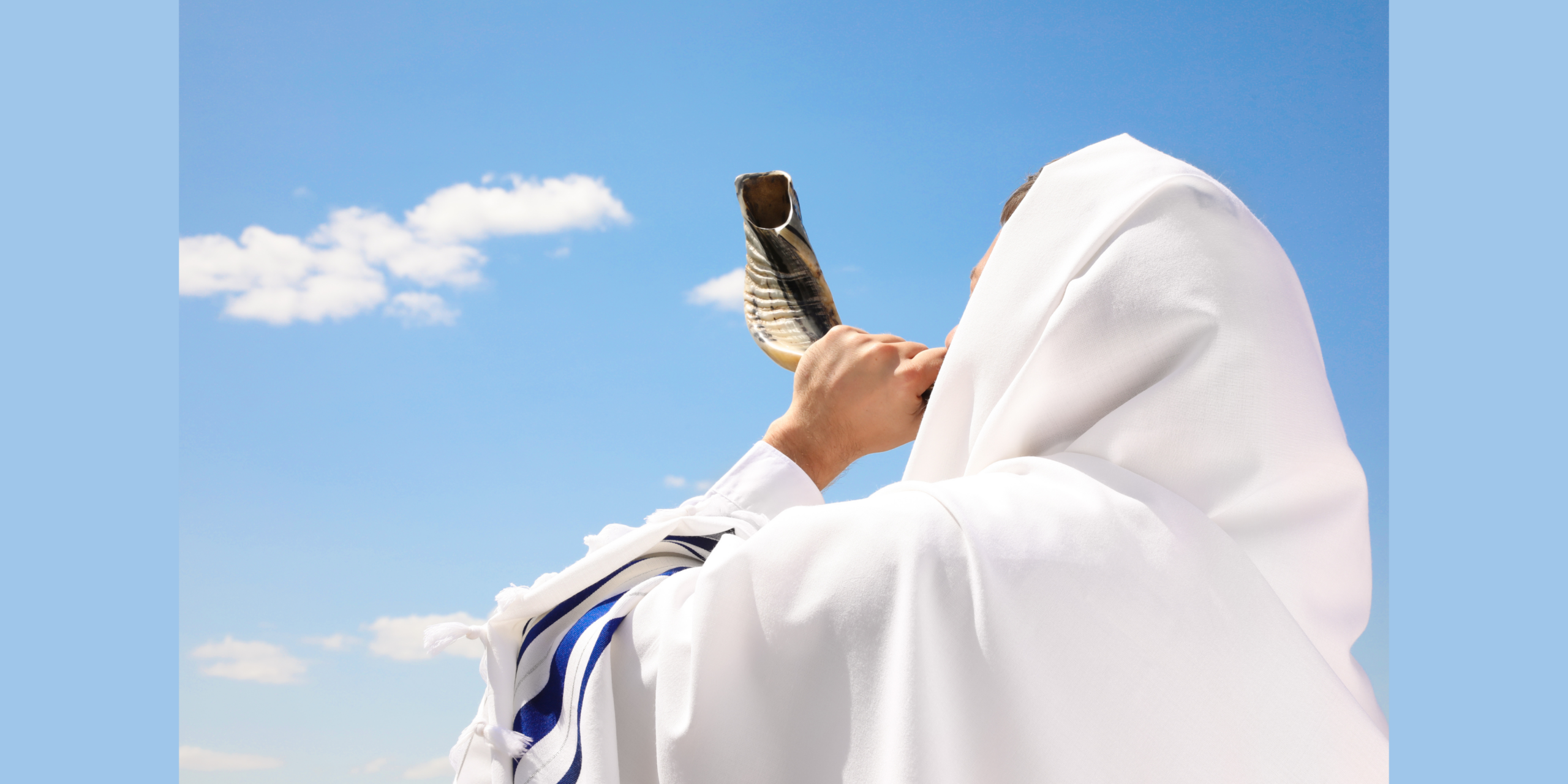
As a Jew, it speaks to me powerfully this Yom Kippur. The Odyssey explores many themes central to the Day of Atonement: our relationships, the longing for a secure home, our connection to the divine force that shapes our destiny, and the trials of life’s journey. It also raises urgent questions about the cost of war, the price of peace, and the hatred of our enemies today.
Like Odysseus – or Ulysses – the Jewish people have been on one of history’s longest journeys: from Abraham’s command to leave home for the Promised Land, through forty years of wandering in the Sinai wilderness, to centuries of longing to return to the land of our dreams: Ve techezena, return us to Zion.
Like Ulysses on his return, we often feel profoundly alone, there’s so little understanding of what Israel means to Jews around the world. Homer’s insight that home is central to our deepest sense of existential wellbeing is too often denied when it comes to us, and to our relationship to Israel as our homeland. As in The Castle, we know too well the difference between a house and a home.
In 2013, Jacob Howland, a lecturer in classical literature at Shalem College in Israel, taught a course on the relationship between past and present in The Odyssey. One student, Major Amir Skoury, who had lost his father at a young age, chose to explore Telemachus, the son of Ulysses, and his search for his long-absent father. Amir asked whether Telemachus was a worthy heir to his father’s legacy. Beneath that question lay another, unspoken one: was Amir himself a worthy heir to his father? This question speaks powerfully to me when I think of my father, Isaac, his Shoah legacy, and my responsibility to carry both the name and the unlived life of his murdered younger brother, Raphael. On Rosh Hashanah, we are all called to reflect on our connection to those who came before us. As we read in the Torah yesterday: “Remember where you came from; ask your father – and mother – and they will tell you; ask your elders, and they will inform you.”
Major Amir was among the thousands of courageous Israelis who mobilised on October 7 without being called up. Soon after, he was killed in a clash with Hamas terrorists.
Howland reflects: The ideas we had discussed theoretically in the first year of study had become burning questions. What do soldiers who participate in war go through? What happens to the home left behind? We have to ask ourselves how this turbulent historical moment fits into the chain of Jewish tradition.
I would add that, like every war, this one raises agonising moral questions about urban warfare, proportionality, collective punishment, and the suffering and death of children. We need the courage to face these questions, especially considering the recently released NAZA film and its claim that the IDF permitted, or even deliberately tolerated, collateral damage. Despite the film’s serious flaws (where is the malevolence of Hamas?) and even as Haviv Rettig Gur urges us to take each claim with a bucket of salt – we should still listen carefully to these Israeli voices, however painful they may be.
In Australia, we are fighting a different kind of war: a frightening and aggressive antisemitism that seeks to erase Jewish identity and diminish our contribution to this country. It is easy to despair when so many of our friends, like Ulysses’ companions, seem to have eaten the narcotic lotus leaves of forgetfulness.
Like Odysseus, we meet many difficult people on life’s journey. Bill Maher once quipped that human beings are not good people. He is right about some of us: there are truly bad, even evil, people in the world. Yet the paradox of humanity is that others shine like radiant stars. Yom Kippur asks us to reflect on where we have gone wrong – how we have hurt others, disappointed ourselves, and perhaps even deserved to be turned into pigs by Homer’s witch, Circe. It is a day to acknowledge our failings, but not to let them define us. It is also a day to remember our strengths and our capacity for good: to show up when our family or community calls, as you have done by being here today.
The tale of Ulysses is, of course, about a great hero: fierce, courageous, and wise.
Yom Kippur reminds us of the courage of one of our wisest and most inspiring heroes: the formidable Moshe. With an extraordinary blend of courage, humility, and chutzpah, he challenges God to forgive the Jewish people after the grievous sin of the Golden Calf and the breaking of the stone tablets engraved with the Ten Commandments. He succeeds, and mercy, forgiveness, and compassion become the defining themes of that first Yom Kippur – and of every Yom Kippur since. The broken tablets cannot be made whole again, but broken hearts can be healed, and broken lives repaired.
That is a timely message for our aching community, with the grief of Bondi still so fresh. We can come through this terrible time; we can mend, and we can find healing.
Yom Kippur is also about the bravery of ordinary people – those, who in Milton’s words, “also serve who only stand and wait”. They are the quiet, humble individuals: the loyal servants and retired shepherds who populate The Odyssey and help bring the story to its noble conclusion. Judaism admires its heroes, but it also cherishes the ordinary people who quietly and bravely sustain our community and improve our world through often unremembered acts of love and kindness. I like to think that describes most of us.
I also like to think that’s what God cares about and thinks about on this Yom Kippur day – not just sitting as king and judge, but who is with us in our anguish as a tender, loving parent – our Avinu – who knows who we are and hopes we will rise to the better parts of ourselves.
I love the verse from Psalms that God numbers the stars, moneh mispar lacochavim… because I think that’s exactly what King David meant when he posted this psalm. God counts every single star, giving each its unique name or, as the Midrash puts it: Every person has their own star in heaven which shines according to their actions.
One of my favourite Chassidic stories is the about Reb Meshullam Zusha, from the Ukrainian town of Hanipol. When Rabbi Zusha was on his deathbed, his students found him in uncontrollable tears. They tried to comfort him by telling him that he was almost as wise as Moses and as kind as Abraham, so he was sure to be judged positively in Heaven. He replied, “When I pass from this world and appear before the Heavenly Tribunal, they won’t ask me, “Zusha, why weren’t you as wise as Moses or as kind as Abraham,” rather, they will ask me, “Zusha, why weren’t you Zusha?” Why didn’t I fulfill my unique potential, why didn’t I follow the path that could have been mine?”
We need to rise up to become the stars we are capable of being. Especially in these times, we must draw on the deep reserves of courage and perseverance within us. We must not let our detractors define us, dictate what antisemitism means, or intimidate us with anti-Zionist mobs and sanctimonious claims about free speech – especially when they cannot tolerate anyone, such as Ed Sheeran, who steps outside their groupthink.
And let’s be sure to use our own words, our Kol Nidrei’s or promises, with care and forethought – if you want and respect life, says the Psalmist – guard your tongue from speaking evil, your lips from deceit.
Rudyard Kipling’s sentiments really resonate for me this year:
“If you can keep your head when all about you
Are losing theirs and blaming it on you,
If you can trust yourself when all men doubt you,
But make allowance for their doubting too;
If you can wait and not be tired by waiting,
Or being lied about, don’t deal in lies,
Or being hated, don’t give way to hating,
If you can fill the unforgiving minute
With sixty seconds’ worth of distance run,
Yours is the Earth and everything that’s in it,
And which is more – you’ll be a mensch my friend!”
The story of Ulysses remains unresolved. It is a tale of redemption, but not a neatly finished one: Ulysses must set out again to make amends for some of the wrongs he committed at Troy. The journey continues – as Tennyson’s Ulysses. While we are alive and on this earth, we cannot rest from our travels, we still need to seek forgiveness for our mistakes, we still need to strive, to seek, to find, and not to yield.
And as Steve Jobs so eloquently reminded: “You can’t connect the dots looking forward; you can only connect them looking backwards. So you have to trust that the dots will somehow connect in your future. You have to trust in something – your gut, destiny, life, karma, whatever. Because believing that the dots will connect down the road will give you the confidence to follow your heart even when it leads you off the well worn path; and that will make all the difference.”
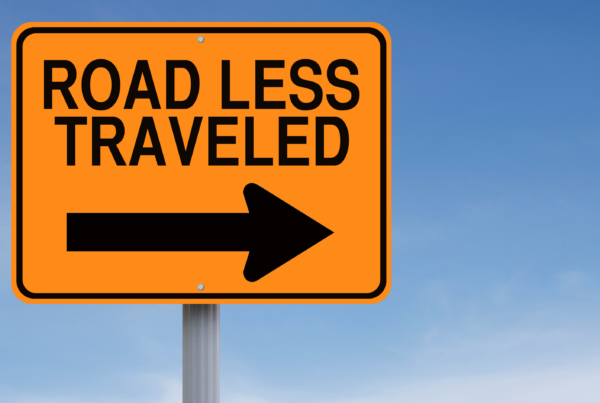
May we find that strength in the year ahead – as individuals, as a community, and as a people – as we travel the uncertain, unfinished, and less-travelled road before us with courage, grace, curiosity, and determined resilience.
Let’s make the difference!